

Custom packaging
Every product has a different journey.
We don't just supply honeycomb material—start with your product, and packaging is developed around it in six steps, from understanding the requirement to implementation.
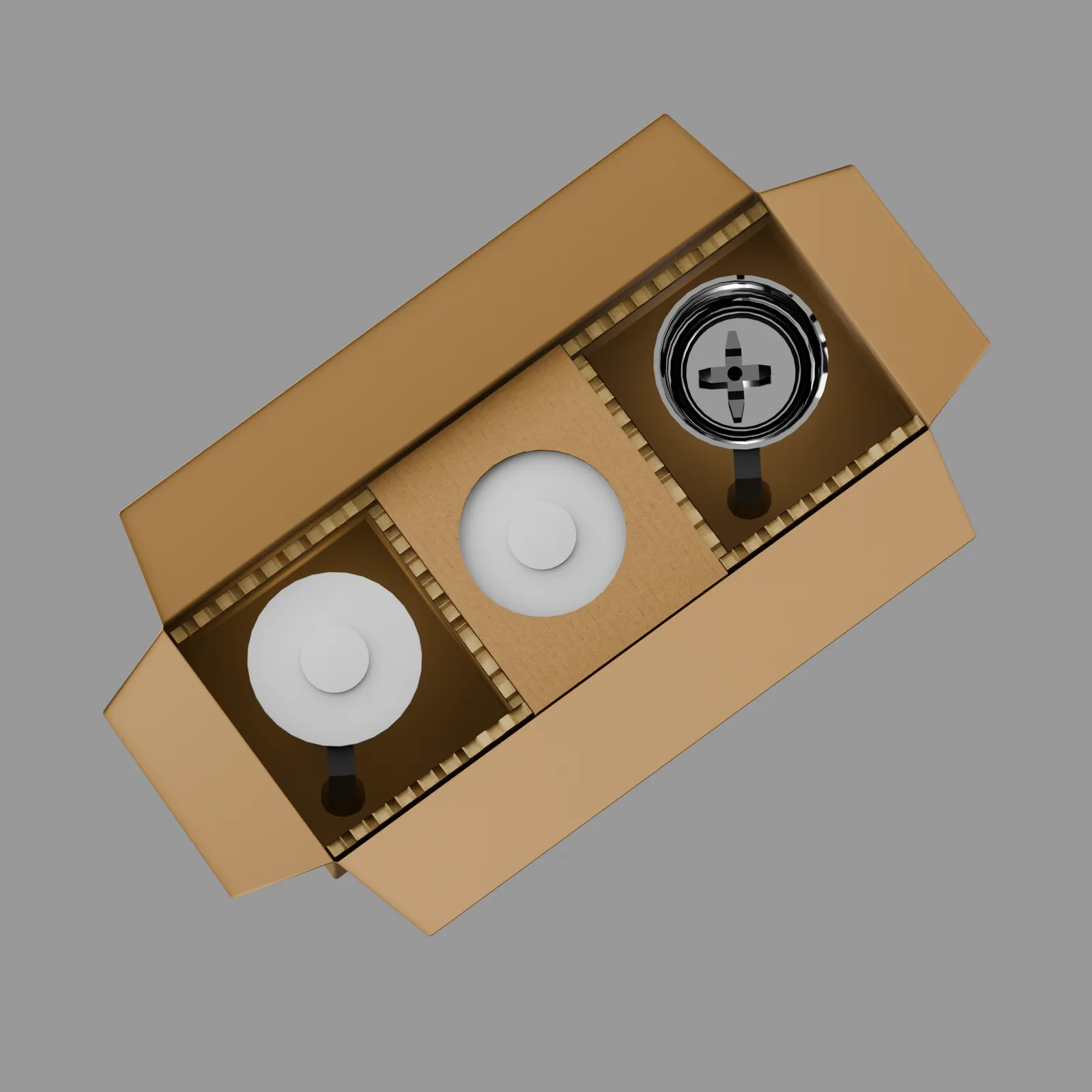 Illustrative render
01Brief
Start with what matters.
Four inputs for the first conversation—the Understand step of the development process below.

What you need to pack—so the conversation starts with the right context.
02Process
Our Packaging Solution Development Process
We don't just supply honeycomb material—we engineer the right packaging solution for your product. The process is as follows
-
Step 1: Understand
We study your product, dimensions, weight, fragility and transportation requirements.
-
Step 2: Design
Our team develops the packaging structure, selecting the right honeycomb cell size, thickness and cushioning configuration.
-
Step 3: Prototype
We create a physical prototype to evaluate product fit, protection, assembly and handling.
-
Step 4: Test
The solution is evaluated for key risks such as impact, drop, vibration and compression.
-
Step 5: Optimize
We refine the design to achieve the right balance of protection, material usage, cost and sustainability.
-
Step 6: Implement
Once validated, the solution is finalized for production and integrated into your packaging process.
From product analysis to final packaging, we deliver engineered paper honeycomb solutions designed for real-world transportation.
03Fit, illustrated
Shaped around the product.
An illustrative 3D sequence: a shaped base, side panels and an enclosure, each formed around the product it carries. It demonstrates fit—not tested load capacity.
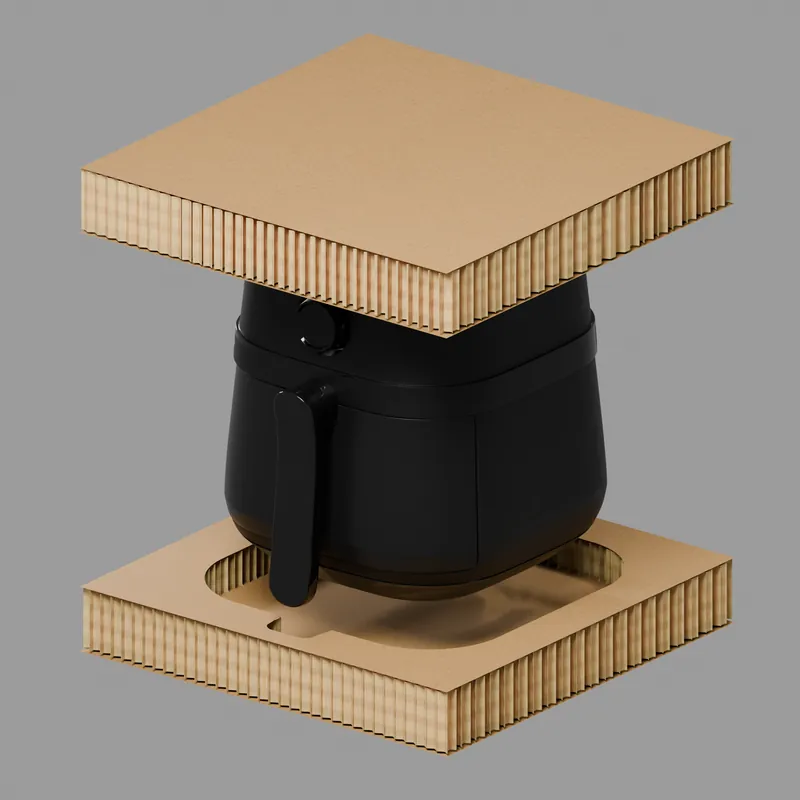 Shaped base
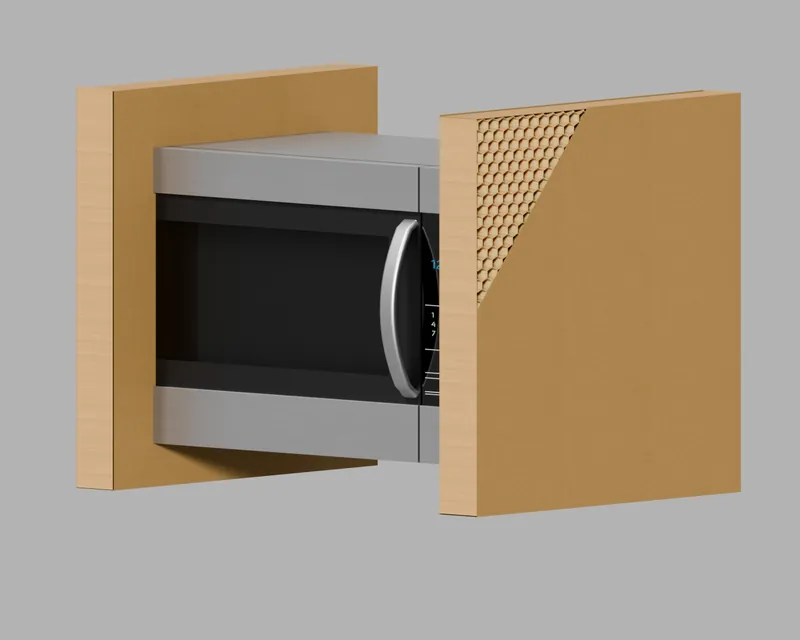 Side panels
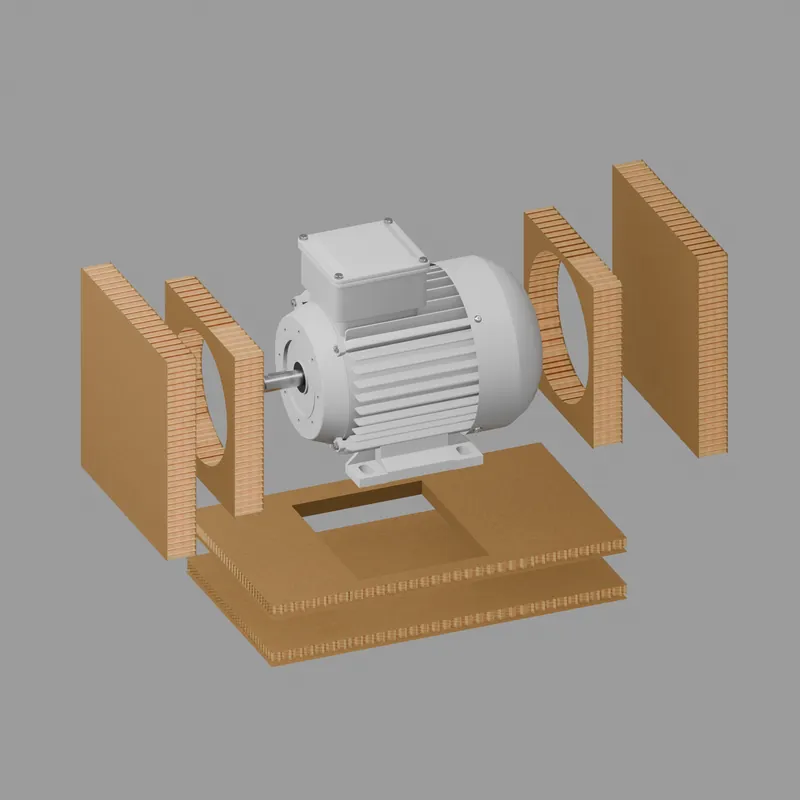 Enclosure
04FAQ
Questions buyers ask first.
Briefs, prototypes, testing and existing packaging—what to expect when packaging is developed around your product.
Still have a question?Ask your own questionWhat information should I share for custom packaging?
Share the product, its dimensions and weight, its fragility, and how it is handled, stored and transported. This is the Understand stage of Hexacell's development process. Photos, drawings and details of any packaging you use today also help, so the packaging structure, cell size, thickness and cushioning can be designed around your product from the start.
Does Hexacell test packaging performance?
Yes. Testing is one of the six steps in Hexacell's packaging development process: the solution is evaluated for key risks such as impact, drop, vibration and compression, then refined to balance protection, material usage, cost and sustainability. If your product or customer requires a particular test standard or report, mention it in your enquiry so the testing approach can be agreed.
Can I get a sample before ordering?
Prototyping is part of Hexacell's development process: a physical prototype is created to evaluate product fit, protection, assembly and handling before the design is finalized for production. Mention in your enquiry how many prototype or trial units you would like and where they should be delivered, so the details can be confirmed for your project.
Can you work from my existing packaging or drawings?
Yes, existing packaging is a useful starting point. Share photos or drawings of your current pack, what it is made from—wood, thermocol (EPS) or plastic—and any problems you see, such as damage, weight or disposal effort. That makes it easier to discuss which parts honeycomb paper components could replace or improve.
Share your requirements.
Product, dimensions and weight, handling and shipping, packaging requirements.